What Coating Weight (g/m²) is Typical for Flexible Packaging? An Essential Industry Guide
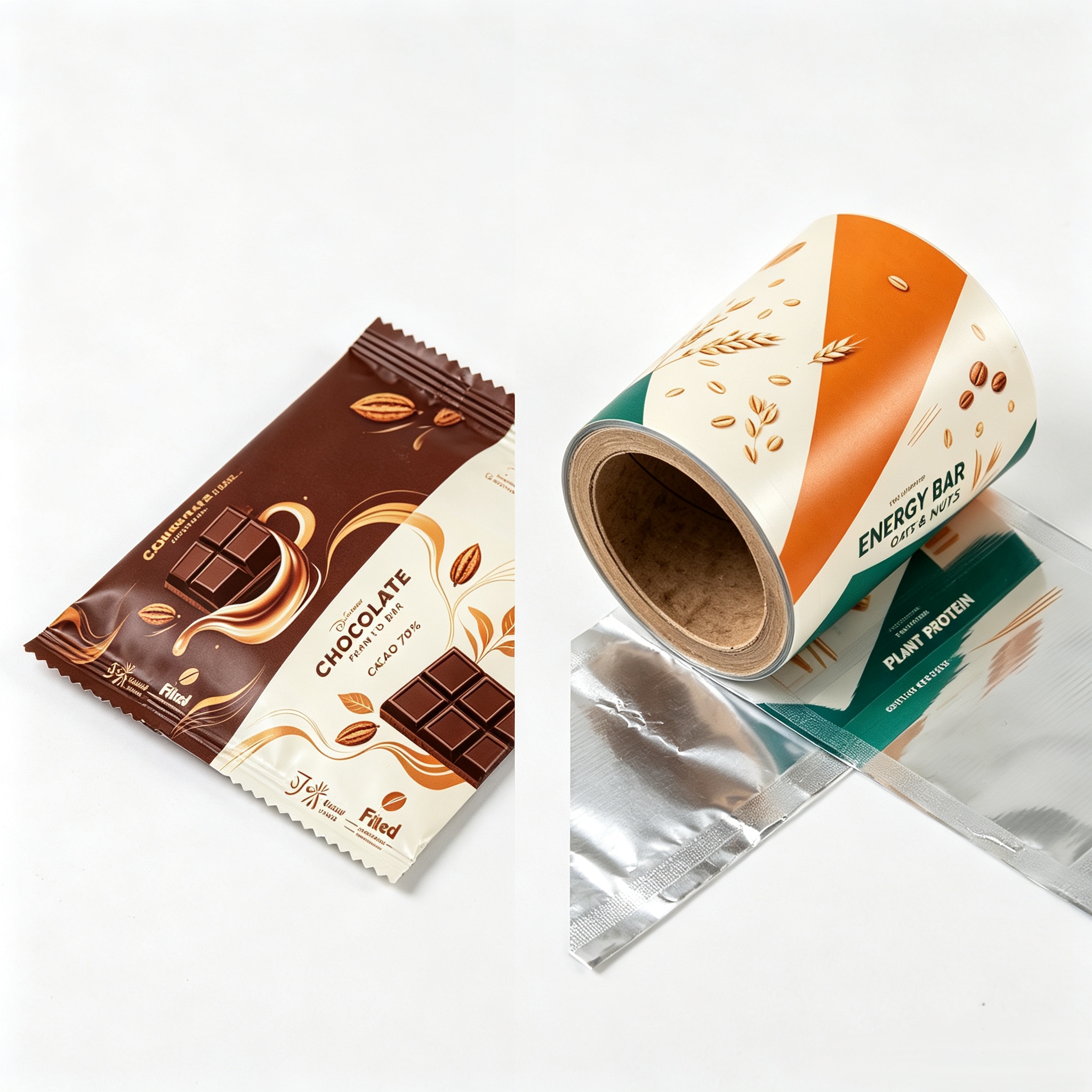
In the flexible packaging industry, optimizing performance while managing material costs is a continuous challenge. One of the most critical specifications in this equation is coating weight, measured in grams per square meter (g/m²). Whether applying cold seals, heat seals, or barrier adhesives, achieving the correct technical standard determines the safety of your product during shipping. So, what coating weight (g/m²) is typical for flexible packaging? This comprehensive guide breaks down the typical industry benchmarks and variables.
1. Typical Coating Weights by Application Type
There is no one-size-fits-all number because different sealing and bonding systems serve distinct functional requirements. The average range across flexible substrates generally spans from 1.0 to 6.0 g/m², with specific categories breaking down as follows:
- Cold Seal Adhesives: For temperature-sensitive goods like chocolates and ice cream, high-performance cold seal film typically utilizes a dry coating weight between 3.1 and 5.0 g/m² to achieve instant, pressure-driven bonding without structural failures or heat degradation.
- Heat Seal Coatings: Standard heat-activated lamination layers or blister lacquers usually require a lighter distribution, typically ranging from 1.5 to 3.5 g/m² depending on the speed of the conversion lines.
- Barrier & Lamination Adhesives: Polyurethane-based solvent or solventless adhesives used to hold multiple film plies together normally feature low profiles, targeting 1.0 to 2.5 g/m².
2. Why Precision in Coating Weight Matters
Preventing Packaging Failure: Insufficient laydown values drop the total kinetic bonding capacity below safe levels. This leads to issues like channel leaks, premature fiber tear, or complete bursting on automated form-fill-seal (FFS) systems.
Avoiding Roll Blocking & Bleed-Out: Conversely, excessive adhesive applications don't always yield better results. Piling on too much coat weight increases the risk of "blocking" — an unwanted event where layers adhere to adjacent wraps inside a wound master roll. It also extends drying cycle demands and causes messy adhesive migration at the pouch margins.
3. Key Factors Dictating Your Exact Target (g/m²)
- Substrate Porosity & Surface Energy: Smooth plastic polymer sheets like biaxially-oriented polypropylene (BOPP) or polyester (PET) demand precise, thin wetting coats. Porous, raw fiber layers like kraft packaging papers drink up fluids and naturally require elevated weights to prevent starving the bonding zone.
- Filling Speeds & Machinery Pressure: Fast-moving mechanical sealing bars that deliver short compression contacts rely heavily on a thicker, responsive adhesive cushion to generate instantaneous structural fiber fusion.
- Environmental Stress & Logistics: Products traveling through extreme shipping climates — such as humid sea freight shipping containers or deep-freeze cold chains — require tailored coating profiles to counter temperature fluctuations.
4. How Process Engineers Measure and Control It
Maintaining consistent quality across thousands of meters of film requires reliable technical monitoring. Packaging manufacturers track coating weight through two primary diagnostic techniques:
- Gravimetric Testing (Cut-and-Weigh Method): Operators cut precise, standardized sample circles out of raw and coated stock, using laboratory scales to calculate the dry mass differential.
- Online Electronic Sensors: Advanced conversion machinery utilizes real-time infrared (IR) or beta-ray backscatter tracking scanners to actively adjust coat distribution pumps mid-run.
5. Technical Recommendations for Global Procurement
Sourcing your flexible packaging material from an experienced manufacturer ensures you bypass costly errors. The precise combination of base film chemical treatments, custom-formulated coatings, and optimal adhesive weights requires qualified processing expertise.
At Shenying Packing, our production facility partners with global chemical innovators to verify and calibrate application weight configurations tailored to your exact machinery. We guarantee dependable barrier integrity, strict quality control compliance, and reliable high-speed runtime efficiency across your packaging equipment.
Unsure which specific coating weight profile protects your product line? Connect with our engineering consultation desk to secure custom sample testing assets.
Conclusion
Understanding what coating weight (g/m²) is typical for flexible packaging empowers procurement managers to align their specifications with real-world requirements. Striking the balance between 3.1–5.0 g/m² for cold seals or 1.5–3.5 g/m² for alternative configurations ensures you maximize cost efficiency while protecting your product shelf life. Working alongside a highly transparent packaging expert guarantees your design criteria translate seamlessly to factory floors.
Need expert advice on cold seal packaging for your product?
Our team specializes in heat-sensitive packaging solutions. Let's discuss your requirements:
📧 Email: may.lee@shenyingpacking.com
💬 WhatsApp: +86 13424643780