Cold Seal Adhesive Supply & Coating Weight: How to Choose the Right Solution for Your Flexible Packaging
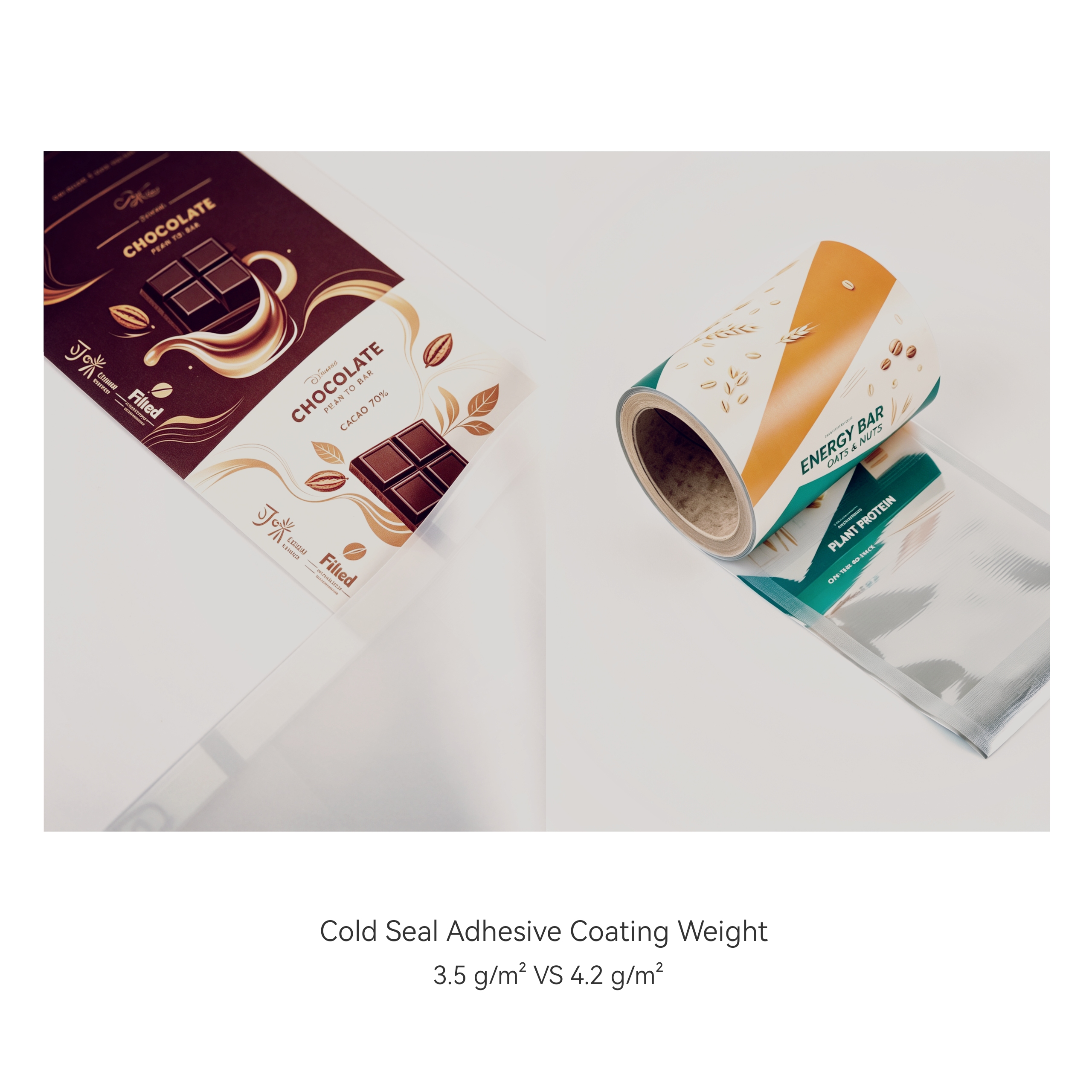
Cold seal adhesive is the core material of cold seal packaging, particularly suited for products that are sensitive to heat — such as chocolate, confectionery, baked goods, and pharmaceuticals. However, many buyers are not fully aware of the nuances: What should you consider when sourcing cold seal adhesive? How does coating weight variation affect packaging quality and cost? This guide helps you understand the key factors.
1. Cold Seal Adhesive Supply & Selection
What is Cold Seal Adhesive? It is a water-based, self-adhesive coating primarily composed of natural rubber or synthetic latex. Unlike heat seal, it requires no heat — only pressure — to form a strong, reliable seal. This makes it ideal for packaging lines where temperature control is critical.
The Supply Landscape: Cold seal adhesives are supplied by specialized chemical companies. Reputable global suppliers — such as Henkel, Bostik, and Ingevity — offer a range of formulations tailored to different substrate types, printing inks, and end-use applications. The choice of adhesive supplier is just as important as choosing the right packaging partner, as the formulation must be precisely matched to your specific packaging structure.
What to Look For in a Supplier: A professional packaging partner will not simply offer a "one-size-fits-all" cold seal solution. They will recommend an adhesive system that is optimized for your film substrate (PE, PP, PET, aluminum foil, or paper), your printing process, and the specific demands of your product. Custom formulation ensures consistent seal strength, minimal odor, and reliable performance across your production line.
For a deeper dive into the technical specifications of cold seal films, visit our Cold Seal Film product page.
2. Understanding Coating Weight: Why It Matters
What is Coating Weight? Coating weight refers to the amount of cold seal adhesive applied per unit area of film, typically measured in grams per square meter (g/m²). It directly influences seal strength, material cost, and processability.
- Insufficient coating weight: May result in weak seals, leading to package failure and product loss.
- Excessive coating weight: Increases material costs unnecessarily and may cause "blocking" (undesired adhesion between layers in roll form) or adhesive bleed-out, creating messy and inefficient packaging lines.
Typical Coating Weight Ranges: The optimal coating weight varies depending on the adhesive formulation and application method. Industry practice ranges from 3.1 to 5.0 g/m², but your specific requirements — product weight, packaging dimensions, and sealing equipment — will determine the exact specification.
3. Key Factors That Determine Coating Weight Selection
- Packaging Substrate: Different base materials (PE, PP, PET, foil, paper) have different surface energies and absorbency, which affects how the adhesive wets out and adheres. Porous substrates like paper may require higher coating weight, while smooth films like PET may achieve the same seal strength with a thinner coating.
- Product Weight & Package Size: Heavy-duty packaging (e.g., large confectionery bars or bulk frozen goods) requires higher seal strength, which may necessitate increased coating weight to ensure package integrity during handling and transport.
- Sealing Equipment & Pressure: Packaging lines with lower sealing pressure may need a slightly thicker adhesive layer to compensate, ensuring a consistent seal without relying solely on high-pressure equipment.
- Storage & Shipping Conditions: Products that undergo long-distance sea freight, cold chain logistics, or extended shelf storage require robust seal performance. A higher coating weight may be recommended to maintain seal integrity under fluctuating temperature and humidity conditions.
4. Cold Seal Packaging Applications at a Glance
Cold seal packaging is widely used across industries where heat cannot be applied:
- Confectionery: Chocolate bars, truffles, and pralines
- Bakery: Soft pastries, cookies, and crackers
- Dairy: Ice cream, frozen yogurt, and cheese products
- Pharmaceuticals: Heat-sensitive medical devices and transdermal patches
- E-commerce & Logistics: Fragile or temperature-sensitive items requiring secure, puncture-resistant packaging
5. Procurement Recommendations
Selecting the right cold seal adhesive system and coating weight is not a DIY process — it requires technical expertise. The formulation must be matched to your specific substrate, print design, and line conditions.
At Shenying Packing, we work closely with leading adhesive suppliers to provide customized cold seal solutions. We recommend the optimal adhesive formulation and coating weight based on your product characteristics, sealing equipment, and packaging line speed — ensuring consistent seal quality, cost efficiency, and reliable export performance.
If you're unsure which cold seal specification fits your product, contact our packaging engineers for a personalized recommendation.
Conclusion
Cold seal adhesive selection is a balance of performance, cost, and processability. By understanding the role of adhesive supply quality and coating weight, you can make informed decisions that improve packaging line efficiency, reduce waste, and enhance product protection. A knowledgeable packaging partner can guide you through the technical details to achieve the best outcome for your specific application.
Need expert advice on cold seal packaging for your product?
Our team specializes in heat-sensitive packaging solutions. Let's discuss your requirements:
📧 Email: may.lee@shenyingpacking.com
💬 WhatsApp: +86 13424643780