Why Chocolate and Confectionery Brands Standardize on Cold Seal Film Packaging?
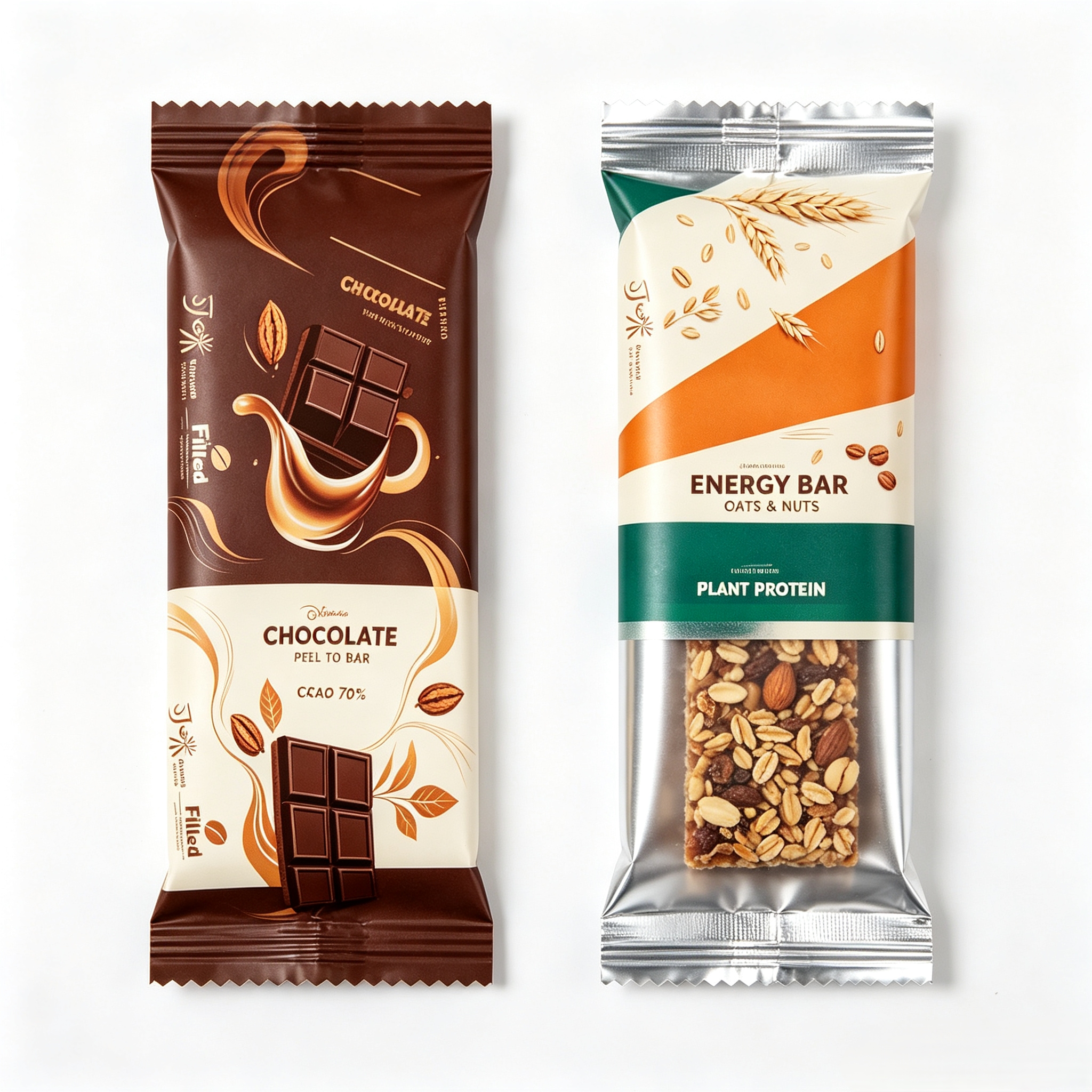
Walk down any confectionery aisle, and almost every single chocolate bar, truffle, or melt-prone sweet you see is wrapped using a specific conversion process. While heat sealing remains popular for chips and dry goods, the global confectionery sector relies heavily on a different approach. Why do chocolate and confectionery brands standardize on cold seal film packaging? The answer comes down to chemical stability, massive line speed optimization, and shelf-life preservation.
1. Absolute Elimination of Heat Damage to Sensitive Products
Chocolate is highly sensitive to temperature fluctuations. Standard thermal heat-sealing jaws require temperatures between 120°C and 200°C to fuse the plastic laminate layers together. When running chocolate bars at high speeds, this thermal energy easily radiates through thin polymer substrates, causing the outer edges of the chocolate bar to soften, bloom, or melt entirely.
By shifting to an advanced custom-formulated cold seal film, the entire packaging operation runs at ambient room temperature. The seal is completed instantaneously through mechanical pressure alone, completely isolating the delicate cocoa butter formulations from heat exposure and ensuring pristine product cosmetics when the end consumer opens the wrapper.
2. Exponential Boost in Packaging Line Speeds
In high-volume manufacturing, throughput velocity directly dictates your profitability. Thermal packaging processes are bound by physical limitations: the sealing jaws must dwell on the film long enough to transfer heat, and then the film requires a cooling phase to solidify into a secure bond.
Cold seal materials bypass these cooling phases entirely. Because the adhesive system seals immediately upon jaw contact, automated horizontal form-fill-seal (HFFS) packaging machines can accelerate to extreme speeds, often exceeding 400 to 600 packages per minute. This massive increase in factory line efficiency is the primary economic driver behind why multinational candy enterprises choose this format.
3. Precise Control over Seal Strength and Clean Release
Confectionery wrappers must strike a delicate technical balance: they need to be strong enough to withstand shipping impacts, yet easy enough for a child to peel open cleanly. Achieving this dual profile requires tight control over adhesive density.
As explored in our technical breakdown of typical coating weights for flexible packaging, applying a stable dry adhesive layer of 3.1 to 5.0 g/m² yields the exact peelable force profile required. This precise coat distribution delivers a solid air-tight barrier during distribution while guaranteeing a smooth, non-shredding, easy-open user experience without sticky chemical strings or adhesive carryover onto the food item.
4. Enhanced Structural Barrier for Extended Shelf Life
Chocolates and nut-filled sweets are highly vulnerable to oxygen ingress, moisture absorption, and ambient odors. Cold seal technology bonds flawlessly with multi-layer barrier films, including metallized BOPP and protective cast co-extrusions. The instantaneous pressure bond forms a continuous hermetic seal at the fin and end crimps, blocking out oxygen transmission and lock-sealing freshness to extend retail shelf-life targets across global export networks.
5. Sourcing Calibrated Cold Seal Materials
Implementing a flawless cold seal configuration involves far more than simply replacing your film. It requires deep synergy between the water-based latex coatings, release lacquers, printing inks, and the converting tension settings of your machinery to avoid complex technical errors like master roll blocking.
At Shenying Packing, we produce field-tested cold seal films designed explicitly for high-speed confectionery wrapper lines. We thoroughly analyze your machinery mechanical pressure, substrate materials, and target shelf life to match your operations with a reliable, food-safe packaging system.
Ready to upgrade your candy or chocolate line output? Request a technical consultation with our engineering team to secure tailored material samples for your next line test.
Conclusion
Confectionery brands standardize on cold seal film packaging because it flawlessly solves the dual dilemma of protecting temperature-sensitive formulas while unlocking maximum machinery output speeds. By eliminating thermal sealing risks and stabilizing seal peelability, manufacturers save on energy, reduce product scrap waste, and elevate their brand presentation. Partnering with a dedicated flexible packaging converter ensures your parameters remain securely within safe industry specifications.
Need expert advice on cold seal packaging for your product?
Our team specializes in heat-sensitive packaging solutions. Let's discuss your requirements:
📧 Email: may.lee@shenyingpacking.com
💬 WhatsApp: +86 13424643780