Machinery Alignment for Mono-Material Packaging: Overcoming Technical Hurdles and Key Processing Controls
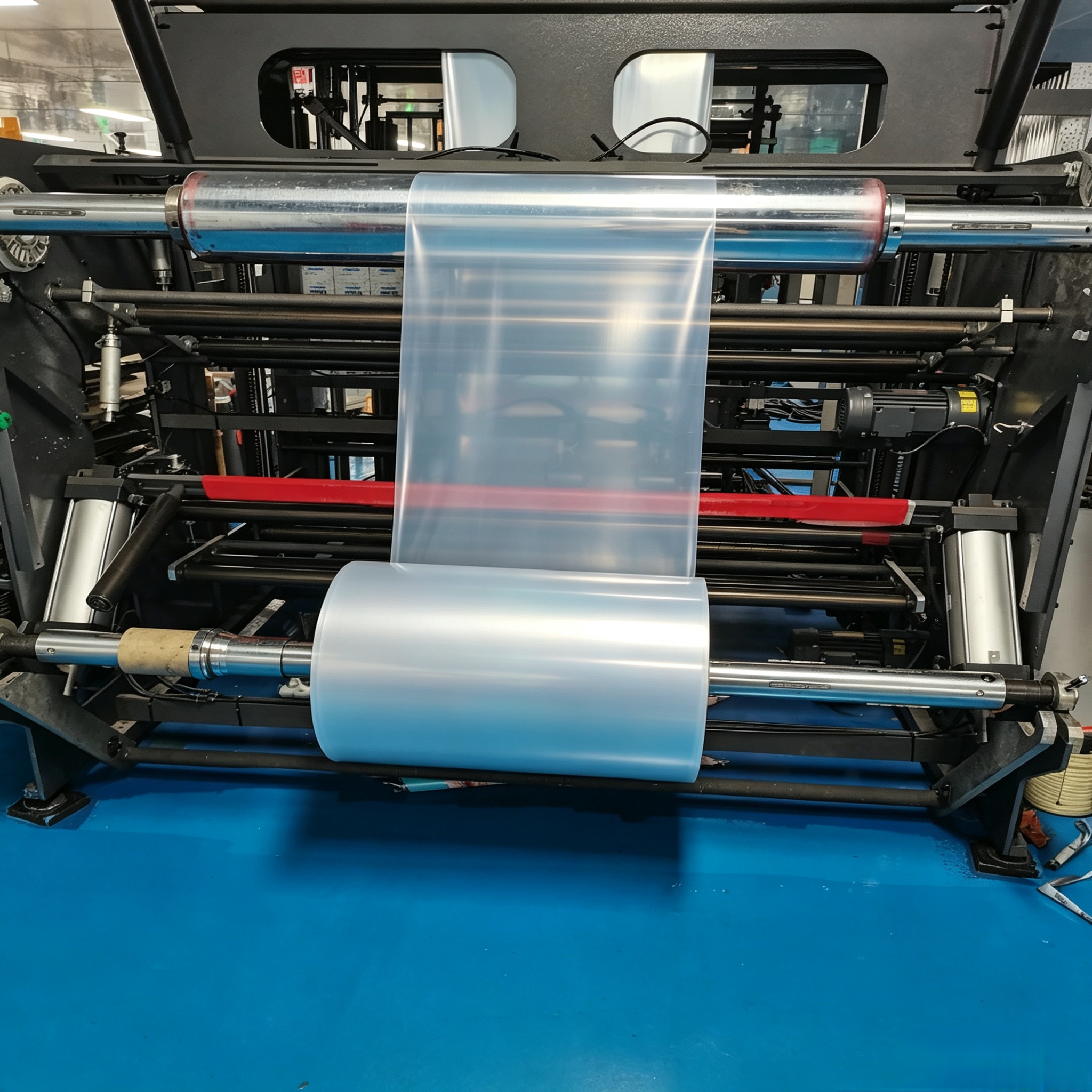
The global push toward sustainable consumer packaged goods (CPG) has driven a massive technological migration away from traditional multi-material laminates toward 100% recyclable mono-material structures (such as pure Mono-PE or Mono-PP). While multi-layer matrices like PET/PE offer an easy processing window on packaging lines, pure mono-polymers pose substantial physical challenges on automated machinery. Without tight optimization between material chemistry and machine dynamics, transitioning to recyclable formats often sparks a wave of line failures. This guide diagnoses the technical hurdles of running mono-materials and outlines the critical control points required for successful implementation.
1. The Primary Machinery Hurdles of Mono-Materials
Unlike multi-material equivalents where the outer thermal-resistant PET layer protects the pouch structure from melting under heat jaws, mono-materials feature a highly uniform melting point throughout the cross-section. This leads to several immediate processing anomalies:
- Narrow Sealing Windows: The temperature gap between achieving a reliable hermetic fusion and completely melting through the substrate film can be as narrow as 5°C to 10°C, increasing the risk of burn-through.
- Thermal Elongation and Stretching: Under high web tension, pure polyolefin materials drop in structural modulus when exposed to localized heat. This causes the film to stretch excessively, leading to eye-mark misalignment and pouch deformities on automated forming collars.
- Altered Coefficient of Friction (COF): Mono-structures respond differently to frictional heat during rapid movement, which can manifest as film stuttering, inconsistent jaw feeding, or poor tracking over forming plates.
2. Key Control Points for Optimizing Machinery Parameters
Successfully running sustainable films at scale demands precise calibration of mechanical and thermal variables on both vertical and horizontal form-fill-seal (VFFS/HFFS) packaging assets:
Precision Heat Management: Traditional mechanical heat bars must be retrofitted or replaced with advanced continuous impulse sealing arrays or highly calibrated Teflon-coated constant heat sealing bars. Utilizing precise PID temperature controllers reduces localized thermal spikes, preventing film puckering and jaw sticking.
Low-Inertia Web Tension Control: Tension arrays must be calibrated down to low, uniform tolerances. Integrating sensitive, low-inertia dancer rollers and automated electronic load cells ensures the film experiences minimal pull forces through the heating and forming zones, preventing accidental film elongation.
COF and Additive Balancing: Processing engineers must match film surface slip properties to specific metal tooling textures. The internal formulation must contain an exact, heat-stable migration profile of slip additives to maintain a smooth, predictable kinetic COF (typically between 0.20 and 0.30) without contaminating the sealant zone.
3. Application Dynamics and Cooling Optimization
Because mono-polymers retain heat longer than paper or PET-based materials, the cooling phase inside the sealing cycle becomes a critical bottleneck. Implementing active water-cooled sealing jaws or intense cold-air blasts immediately post-seal solidifies the structural layer instantaneously. This cooling mechanism ensures the pouch drop does not induce mechanical stress on the hot, freshly formed bond, preserving seal strength and aesthetic flatness.
4. Material Design: The Invisible Support
Machinery performance is directly influenced by how the mono-material film is converted at the extrusion factory floor. Modern engineering relies on utilizing Machine Direction Orientation (MDO-PE) films as the outer print layer. MDO processing pre-stretches the PE film during manufacturing, aligning its molecular polymer chains to boost tensile modulus and heat resistance. When laminated to a low-melting-point cast PE sealant layer, MDO-PE effectively mimics a PET substrate, widening the operation window on standard automated lines.
5. Engineering Sustainable Success with Shenying
Transitioning to 100% recyclable packaging formats involves far more than an overnight film swap. It requires a collaborative blueprint between your material chemistry and the mechanical specifications of your packaging lines to circumvent expensive production downtime.
At Shenying Packing, we specialize in manufacturing high-stiffness, custom-formulated MDO Mono-PE and high-clarity Mono-PP barrier films. Our technical consulting team performs comprehensive film-to-machinery analysis, matching dynamic slide values and thermal limits to your line equipment parameters.
Encountering tracking errors or jaw burn-through while shifting to sustainable pouching assets? Connect with our processing optimization team to map out custom-engineered material testing runs.
Conclusion
Migrating to mono-material recyclable flexible packaging is a highly effective way for brands to achieve environmental targets and clear global compliance regulations. While the processing hurdles on machinery are genuine, they are completely manageable through precise web tension management, active jaw cooling, and utilizing advanced MDO substrate engineering. Aligning with an advanced converter safeguards your product shelf life while protecting high-speed factory uptime.
Transitioning to recyclable mono-materials on your packaging lines?
Our technical support desk is ready to help optimize your machine parameters. Let's analyze your structural requirements:
📧 Email: may.lee@shenyingpacking.com
💬 WhatsApp: +86 13424643780